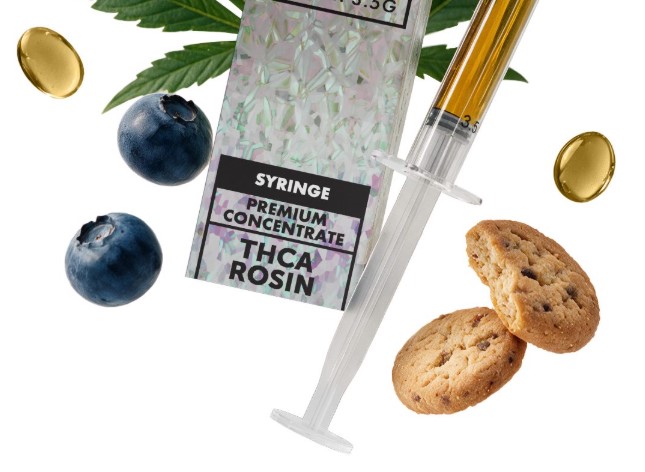

Packaging does more than protect a product or display a brand name. For cannabis concentrates, it can also provide important information about ingredients, quantity, handling requirements, and intended use. However, attractive packaging and professional presentation do not automatically guarantee product quality or safety. Adults comparing concentrate products should pay attention to the information provided, the clarity of the instructions, and the availability of supporting documentation. Understanding these details makes it easier to separate a product’s visual identity from facts that can be independently assessed.
Packaging as a Source of Product Information
Good packaging should make essential product information easy to locate and understand. Depending on the product and applicable regulations, this may include the ingredient list, cannabinoid content, net quantity, manufacturer details, batch identification, warnings, and storage instructions.
The FVKD Syringes category highlights why packaging deserves attention when evaluating concentrate products. A syringe is a container format, not proof of a particular formulation, purity level, or intended application. Consumers should review the specific product label and manufacturer instructions before drawing conclusions about its contents.
What Clear Labeling Should Communicate
Useful packaging helps answer practical questions without requiring consumers to interpret vague promotional language.
Look for:
- Product identity: The label should clearly identify the product and its stated formulation.
- Ingredient information: Listed ingredients can help explain what the product claims to contain.
- Cannabinoid measurements: Reported concentrations may help clarify the stated composition.
- Batch details: Identification information can help connect the product with relevant laboratory documentation.
- Safety instructions: Storage, handling, and applicable warnings should be accessible.
- Manufacturer details: Clear company information provides a point of contact for questions.
Not every package includes every detail on its main label. Additional information may appear on an insert or an official product document, depending on the product and local requirements.
Why Brand Identity and Transparency Are Different
Packaging contributes to brand recognition through colors, typography, logos, and product names. These elements can make products easier to distinguish, especially when a company offers several categories.
The FVKD exotics company identity is one aspect of how consumers recognize the brand, but branding should not be confused with independently verified product information. A consistent visual style does not establish that every product has the same ingredients, cannabinoid content, or manufacturing characteristics.
Looking Beyond Visual Presentation
When reviewing concentrate packaging, ask whether its claims are supported by specific information.
Words such as premium, pure, or high quality can communicate a marketing position, but they do not independently prove a product meets a particular quality standard. Clear specifications, traceable batch information, and credible testing provide a more useful basis for evaluating such claims.
If the packaging and product listing provide conflicting details, seek clarification from the manufacturer or seller before relying on either description.
Understanding Syringe Formats and Intended Use
Syringes are used as dispensing containers for various substances, including some cannabis concentrates. Their appearance alone does not establish how a particular product should be handled or applied.
Consumers should confirm the intended use from the product documentation. A concentrate packaged in a syringe should never automatically be assumed suitable for injection, oral use, or use with a vaping device.
Why Instructions Matter
Concentrates can differ in consistency, formulation, and compatibility with particular applications. Using a product in a way not specified by the manufacturer may create safety risks or damage equipment.
Before handling a concentrate, review its stated ingredients, storage requirements, operating or application instructions, and warnings. If the intended use is unclear, contact the manufacturer rather than guessing.
Packaging should support informed handling, not leave essential instructions open to interpretation.
What Laboratory Reports Add to the Picture
A certificate of analysis, commonly called a COA, may provide measurements of cannabinoids and results from screening for selected contaminants. Its usefulness depends on the laboratory’s credibility, the testing scope, and whether the report matches the relevant product or batch.
A careful review should consider:
| Report detail | Why it matters |
| Product or batch identification | Helps connect the report to the item being evaluated |
| Cannabinoid measurements | Shows the quantities of the tested cannabinoids |
| Contaminant screening | Identifies which additional substances were assessed |
| Laboratory information | Helps establish who conducted the testing |
| Report date | Provides context for the document’s relevance |
A general statement that a product is laboratory tested does not explain which tests were performed. Review the actual report when available.
Testing also has limits. A report may not cover every possible hazard, and favorable results do not establish that a cannabis product is harmless.
Packaging, Storage, and Product Safety
Packaging may provide instructions intended to preserve product condition and reduce accidental exposure. Consumers should follow the manufacturer’s storage recommendations and keep cannabis products securely away from children and pets.
Cannabis-derived products may carry health risks. THC can affect memory, attention, coordination, and judgment. Do not drive or operate machinery while impaired.
People who are pregnant or breastfeeding, have relevant medical conditions, or take medications that may interact with cannabinoids should consult a qualified healthcare professional before considering these products.
Consumers should also check local regulations concerning purchasing, possession, labeling, and age restrictions. Requirements differ by jurisdiction, so packaging should not be treated as proof that a product is legally available everywhere.
A Practical Checklist for Evaluating Packaging
Before making a decision about a concentrate, review whether the available information answers these questions:
- Is the product’s identity and intended use clearly stated?
- Are ingredients and cannabinoid measurements provided where applicable?
- Can the batch be connected to relevant laboratory documentation?
- Are storage instructions and safety warnings easy to find?
- Is manufacturer information available for follow-up questions?
- Does the product comply with applicable local requirements?
If essential details are missing, recognize that the uncertainty limits what can be concluded about the product. A polished label should never substitute for clear documentation.
Conclusion
Packaging can help consumers understand a concentrate’s stated ingredients, intended use, handling requirements, and available testing information. FVKD Exotics products should be evaluated through transparent labels and relevant manufacturer documentation rather than appearance alone. Syringe format, brand recognition, and promotional wording cannot independently establish composition or safety. By checking product-specific details and recognizing the limits of laboratory reports, adults can assess claims more carefully while keeping responsible handling and local regulations in mind.
Disclaimer: For adults 21+ only, where legally permitted. Cannabis products may carry health risks. This article is informational only and is not medical or legal advice.